Pranayama for Beginners: Breathing Techniques & Benefits
Pranayama is the yogic science of breath — a direct route to a calmer mind and steadier energy. Here are the key techniques for beginners, how to practise them step by step, and what they do.
What Is Pranayama?
Pranayama is the yogic practice of consciously regulating the breath. The word joins *prana* (life force) and *ayama* (extension or control) — so pranayama means extending and directing your vital energy through the breath. It is the fourth limb of Patanjali’s eight-limbed yoga and a bridge between the body and the mind.
Because breath and mind are linked, slowing and steadying the breath directly calms the nervous system — which is why pranayama is one of the fastest ways to shift your state.
Before You Begin
- Practise on an empty stomach, ideally in the morning
- Sit with a straight spine — cross-legged on the floor or upright in a chair
- Breathe through the nose unless a technique says otherwise
- Start with a few minutes and build up gradually; never strain
- Stop if you feel dizzy and return to normal breathing
Key Techniques for Beginners
Anulom Vilom (Alternate Nostril Breathing)
Close the right nostril with your thumb and inhale slowly through the left. Close the left with your ring finger, release the right, and exhale through the right. Inhale right, then switch and exhale left. That is one round. This balances the nadis (energy channels) and is deeply calming — start with 5 rounds.
Kapalbhati (Skull-Shining Breath)
A series of short, forceful exhales through the nose, letting the inhale happen passively. It is energising and cleansing. Begin with 20–30 gentle strokes. Avoid it if you are pregnant or have high blood pressure or heart conditions.
Bhramari (Humming Bee Breath)
Inhale, then exhale while making a soft humming sound like a bee, gently closing the ears with your fingers. Excellent for anxiety, anger, and quieting a busy mind. Repeat 5–7 times.
Deep Diaphragmatic Breathing
The simplest foundation: breathe slowly into the belly so it rises on the inhale and falls on the exhale. Lengthen the exhale to activate the body’s relaxation response.
The Benefits of Regular Practice
- Reduces stress and anxiety by calming the nervous system
- Improves focus and mental clarity
- Increases energy and lung capacity
- Supports better sleep and emotional balance
- Deepens meditation by steadying the mind
When the breath is steady, the mind is steady. Master the breath, and you begin to master the mind.
Where to Go Next
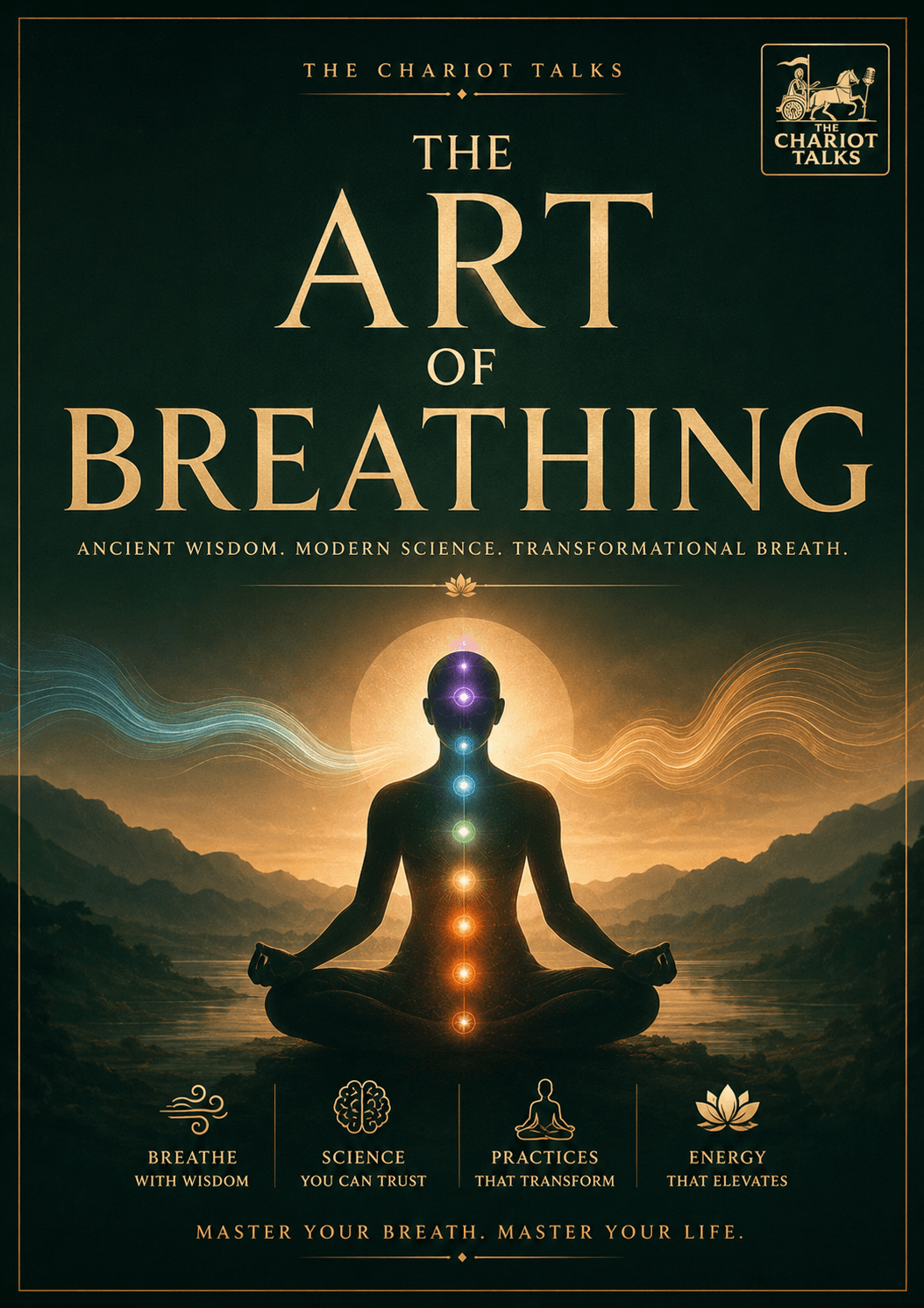
To build a complete, safe practice — 10+ classical techniques explained step by step, breathwork for stress and healing, and daily routines — see The Art of Breathing, our guide to Pranayama for modern seekers.
Frequently Asked Questions
How long should a beginner practise pranayama?
Start small — just 5 to 10 minutes a day on an empty stomach — and build up gradually as it becomes comfortable. Consistency matters far more than duration. Never strain the breath, and stop if you feel dizzy.
Which pranayama is best for anxiety?
Anulom Vilom (alternate nostril breathing) and Bhramari (humming bee breath) are especially good for anxiety because they calm the nervous system quickly. Slow diaphragmatic breathing with a longer exhale also helps.
Is pranayama safe for everyone?
Gentle techniques like Anulom Vilom and deep breathing suit most people. However, forceful practices such as Kapalbhati should be avoided during pregnancy or if you have high blood pressure, heart conditions, or recent surgery. When in doubt, consult a doctor or an experienced teacher.